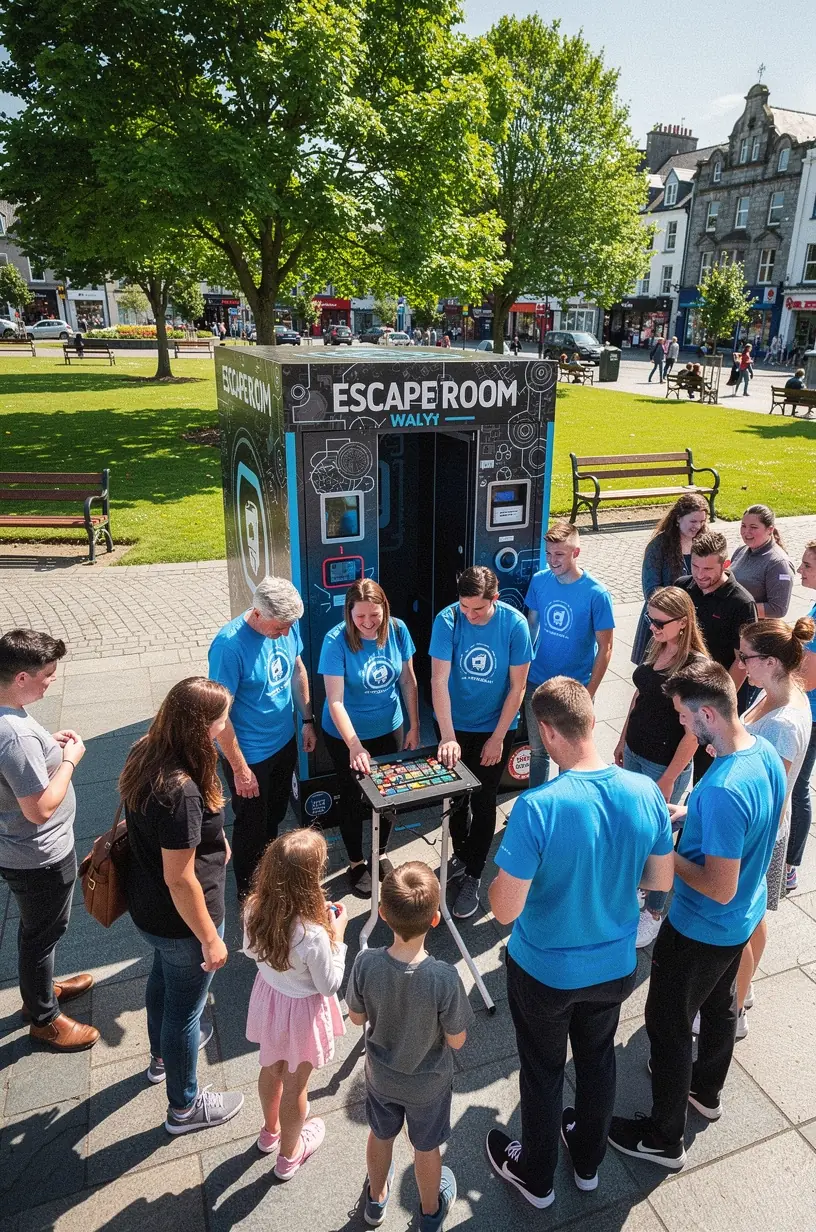
Understanding the Design Elements of Escape Rooms
Escape rooms have gained popularity as a form of hybrid entertainment, combining immersive storytelling with interactive puzzles. Understanding the design elements that contribute to their success can enhance both the player experience and the operational efficiency of the venue.
The Importance of Storytelling
At the core of effective escape room design is a compelling narrative. Research indicates that players are typically more engaged and willing to participate when they feel connected to the story. According to industry experts, a well-crafted storyline not only enhances immersion but also provides a framework for the puzzles and tasks, guiding players through the experience.

"A strong narrative can transform a simple puzzle into a memorable adventure," explains Dr. Lisa Harrow, a psychologist specializing in game design.
Puzzles and Challenges
Effective puzzles are crucial for maintaining player engagement. Many successful escape rooms incorporate a variety of puzzle types to cater to different skill sets. According to studies, diversity in puzzle design typically leads to a more satisfying experience, as it allows participants to feel accomplished at various stages of the game.
Common puzzle formats include:
- Physical challenges: Tasks requiring players to manipulate objects in the environment.
- Logic puzzles: Problems that demand critical thinking and problem-solving skills.
- Team-based tasks: Activities designed to encourage collaboration and communication among participants.
Environmental Design
The visual and auditory elements of an escape room greatly impact the overall experience. Experts recommend using thematic decorations, lighting, and sound effects that align with the narrative to create an immersive atmosphere. For example, a room designed as a haunted house may incorporate dim lighting and eerie sounds to instill a sense of suspense.
Research indicates that immersive environments can enhance emotional responses, making players feel more connected to the game. This connection often leads to higher satisfaction rates, as many users report feeling a greater sense of accomplishment upon completing an emotionally engaging challenge.
Feedback and Interaction
Providing players with timely feedback is essential for maintaining engagement and motivation. Many escape rooms utilize technology to facilitate real-time responses, such as hints and clues, which can help players who may be struggling. Studies show that allowing for some degree of assistance can enhance overall enjoyment, especially for less experienced players.
Conclusion
Understanding the design elements of escape rooms is crucial for anyone looking to create or improve their own venue. By focusing on storytelling, diverse puzzles, immersive environments, and effective feedback mechanisms, operators can create a captivating experience that resonates with players. While crafting the perfect escape room requires time and effort, the potential for increased engagement and customer satisfaction makes it a worthwhile investment.