The Evolution of Puzzles in Entertainment Spaces
The landscape of entertainment has evolved significantly over the years, particularly with the rise of hybrid venues that combine escape rooms, puzzles, and live interaction. This article explores the evolution of puzzles within these spaces, highlighting their impact on user experience and engagement.
Understanding the Basics of Puzzle Integration
Puzzles have been an integral part of entertainment for centuries, but their integration into hybrid venues has transformed the way audiences engage with content. Research indicates that interactive experiences, such as those found in escape rooms, can enhance cognitive functions and social interaction among participants. Experts in the field suggest that this approach not only stimulates critical thinking but also fosters teamwork skills, making puzzle-based activities appealing to diverse age groups and skill levels.
"According to a study by the Journal of Applied Psychology, interactive problem-solving experiences can improve group dynamics and communication." - Industry Expert
The Historical Context of Puzzles in Entertainment
Historically, puzzles have been a staple in various forms of entertainment, ranging from board games to classic literature. The emergence of escape rooms in the early 2000s marked a significant shift in how puzzles were presented in social settings. These venues typically incorporate a storyline, immersive environments, and a series of challenges that require participants to work collaboratively to succeed.
Key Developments in Puzzle Design
- Thematic Integration: Many modern escape rooms design puzzles that align closely with the overall narrative, enhancing the storytelling aspect of the experience.
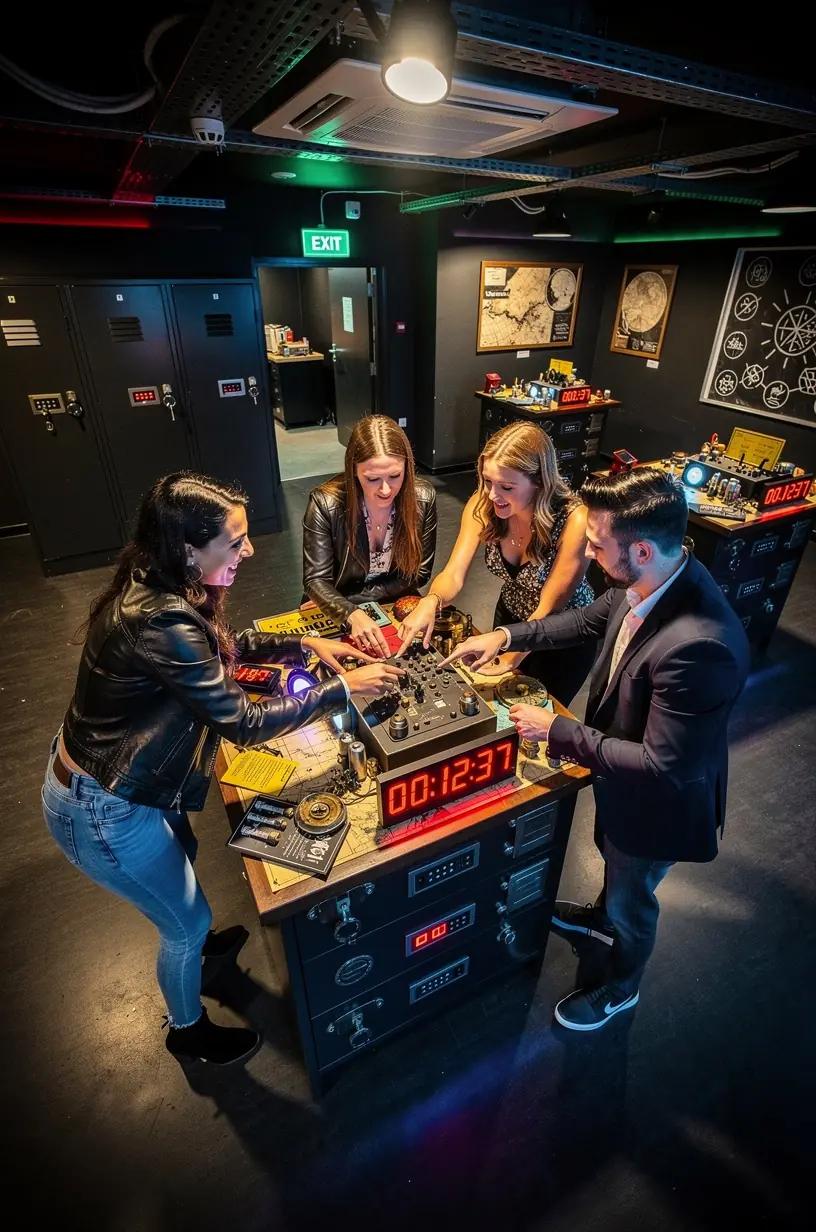
- Technology and Innovation: The advent of technology has introduced digital puzzles and augmented reality features that often captivate users and offer unique challenges.
- Emphasis on Collaboration: Puzzles are often designed to encourage teamwork, requiring participants to communicate effectively and leverage each other's strengths.
Practical Application of Puzzles in Hybrid Venues
For hybrid entertainment venues, the integration of puzzles can significantly boost customer satisfaction and retention. Here are a few practical applications:
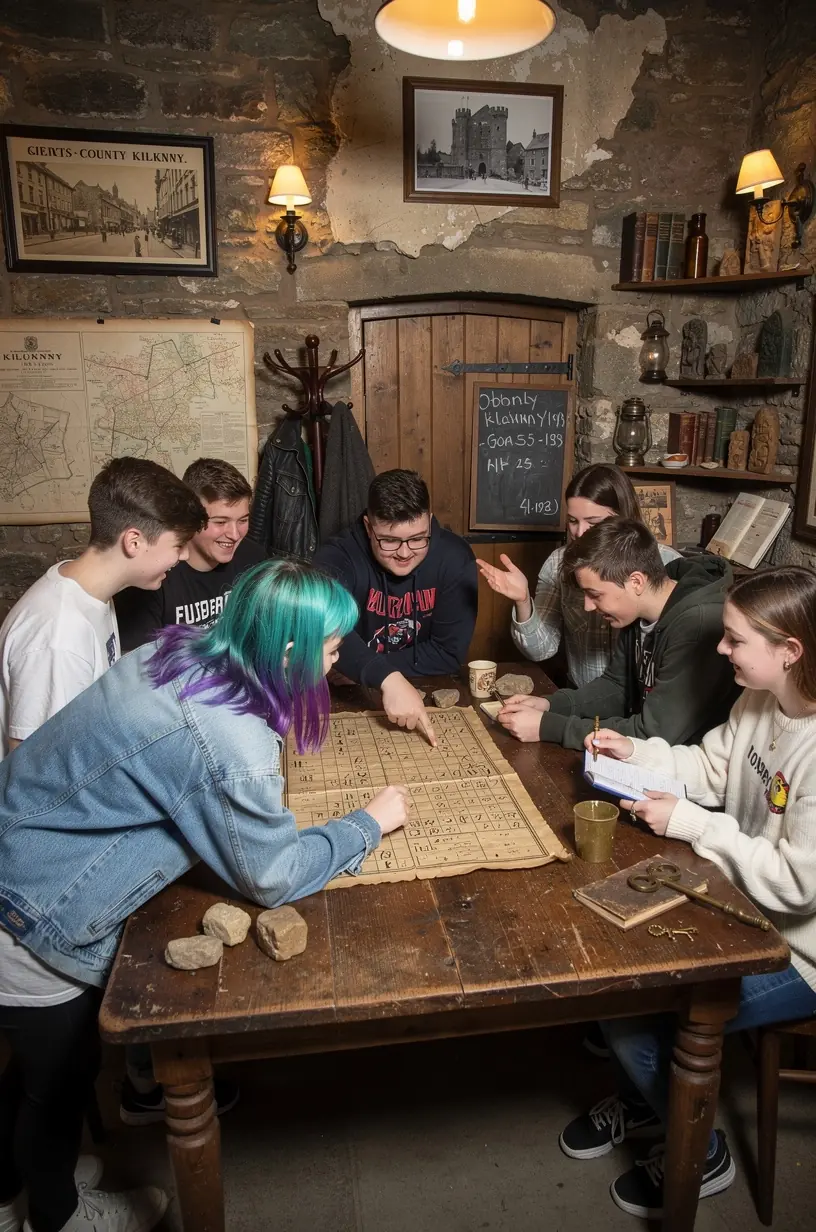
- Create themed escape room experiences that reflect local culture or history, appealing to both tourists and locals.
- Incorporate technology-driven puzzles that change frequently, ensuring repeat visitors encounter different challenges each time.
- Offer a blend of physical and mental puzzles that cater to various skill levels, making the experience accessible to a wider audience.
Challenges and Limitations
While the benefits of puzzle integration are numerous, there are challenges that venues must acknowledge:
- Time Commitment: Designing and implementing new puzzles typically requires significant planning and development time, often taking several months.
- Employee Training: Staff must be trained to facilitate these experiences effectively, which can involve a steep learning curve.
- Market Saturation: As more venues offer similar experiences, standing out becomes crucial; unique and innovative puzzle design is essential for success.
Conclusion
The evolution of puzzles in hybrid entertainment venues reflects a shift towards immersive, interactive experiences that engage customers on multiple levels. While challenges exist, the potential for enhancing user experience through thoughtfully designed puzzles remains significant. By understanding the principles behind effective puzzle integration, venues can create memorable experiences that resonate with audiences, ensuring they return for more.
Learn More