How Hybrid Venues Foster Critical Thinking Skills
Hybrid entertainment venues, which blend escape rooms with puzzles and live interactions, have emerged as innovative spaces that engage participants in unique ways. These environments not only offer entertainment but also play a significant role in developing critical thinking skills. In this article, we explore how these venues foster cognitive abilities and enhance problem-solving capabilities.
Understanding the Power of Hybrid Venues
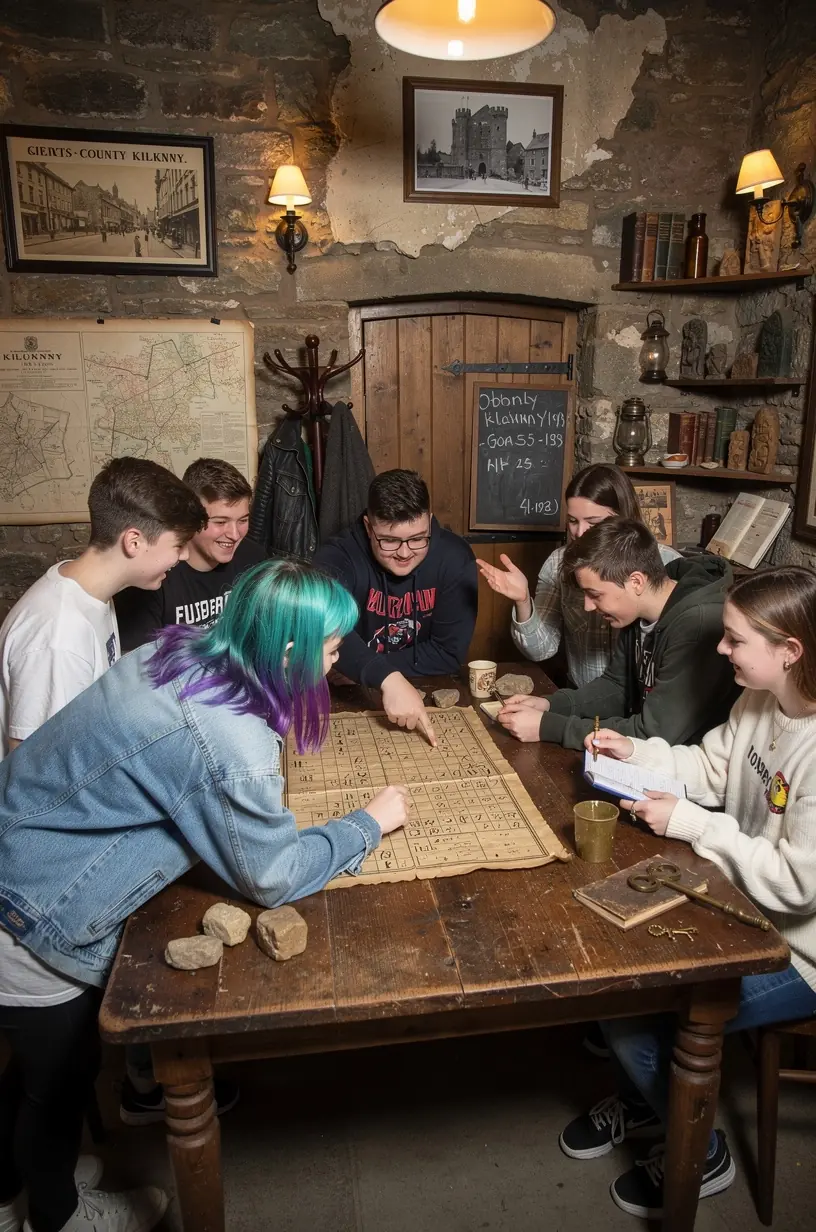
Hybrid venues create immersive experiences that require participants to engage in collaborative problem-solving. According to research, engaging in activities that demand critical thinking can lead to improved cognitive function, particularly in young adults. Experts in educational psychology suggest that environments encouraging active participation can enhance learning outcomes. This is because participants often find themselves in situations where they must analyze information, evaluate options, and make decisions under time constraints.
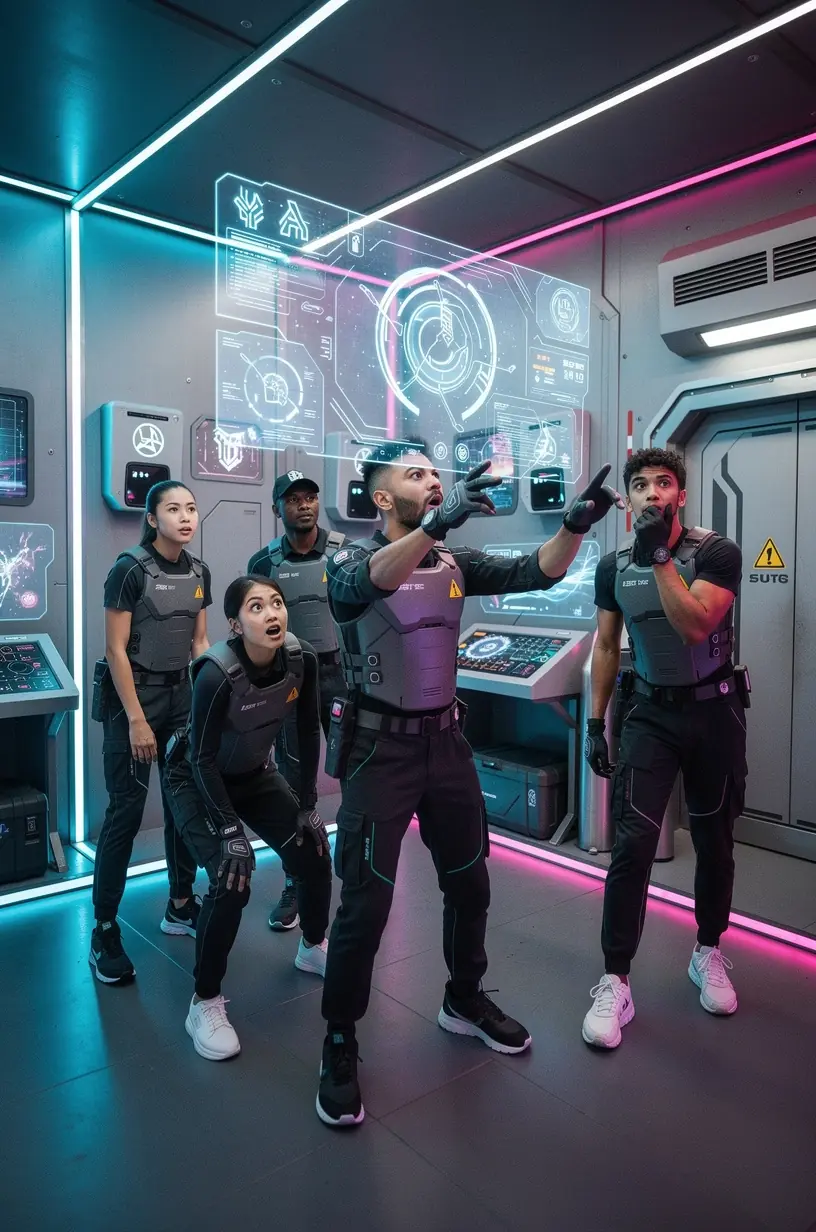
"Engaging in critical thinking exercises can enhance cognitive abilities, equipping individuals with essential life skills."
The Mechanics of Critical Thinking in Hybrid Venues
The design of hybrid venues incorporates elements that challenge the mind. Participants are typically required to:
- Analyze scenarios: Puzzles often present complex situations that need thorough examination.
- Collaborate: Working in teams fosters communication skills and diverse perspectives, which are vital for effective problem-solving.
- Make quick decisions: Time-limited tasks encourage participants to think swiftly and efficiently.
These activities create a dynamic learning environment where critical thinking is not just encouraged but actively required. Research indicates that such interactive experiences can lead to a 15-20% improvement in problem-solving skills when compared to traditional learning methods.
Challenges and Considerations
While hybrid venues provide numerous benefits, it is essential to acknowledge that they may not be suitable for everyone. Individuals who prefer solitary learning or those who may not thrive in social settings could find these environments overwhelming. Typically, participants need to be open to collaboration and embrace the unpredictability of group dynamics.
Furthermore, engaging in these activities often requires a time commitment. Most users report that fully mastering the skills developed in these environments typically takes several visits and consistent practice. Thus, participants should be prepared for a gradual improvement rather than instant mastery.
Conclusion
Hybrid entertainment venues offer a valuable opportunity for individuals to enhance their critical thinking skills through engaging and interactive experiences. By fostering an environment that encourages collaboration, analysis, and quick decision-making, these venues can help participants develop essential life skills. While results may vary based on personal preferences and commitment levels, the potential benefits are significant. Exploring these innovative spaces can lead to not just fun, but also profound personal development.
Learn More