How Live Interaction Enhances Puzzle Solving
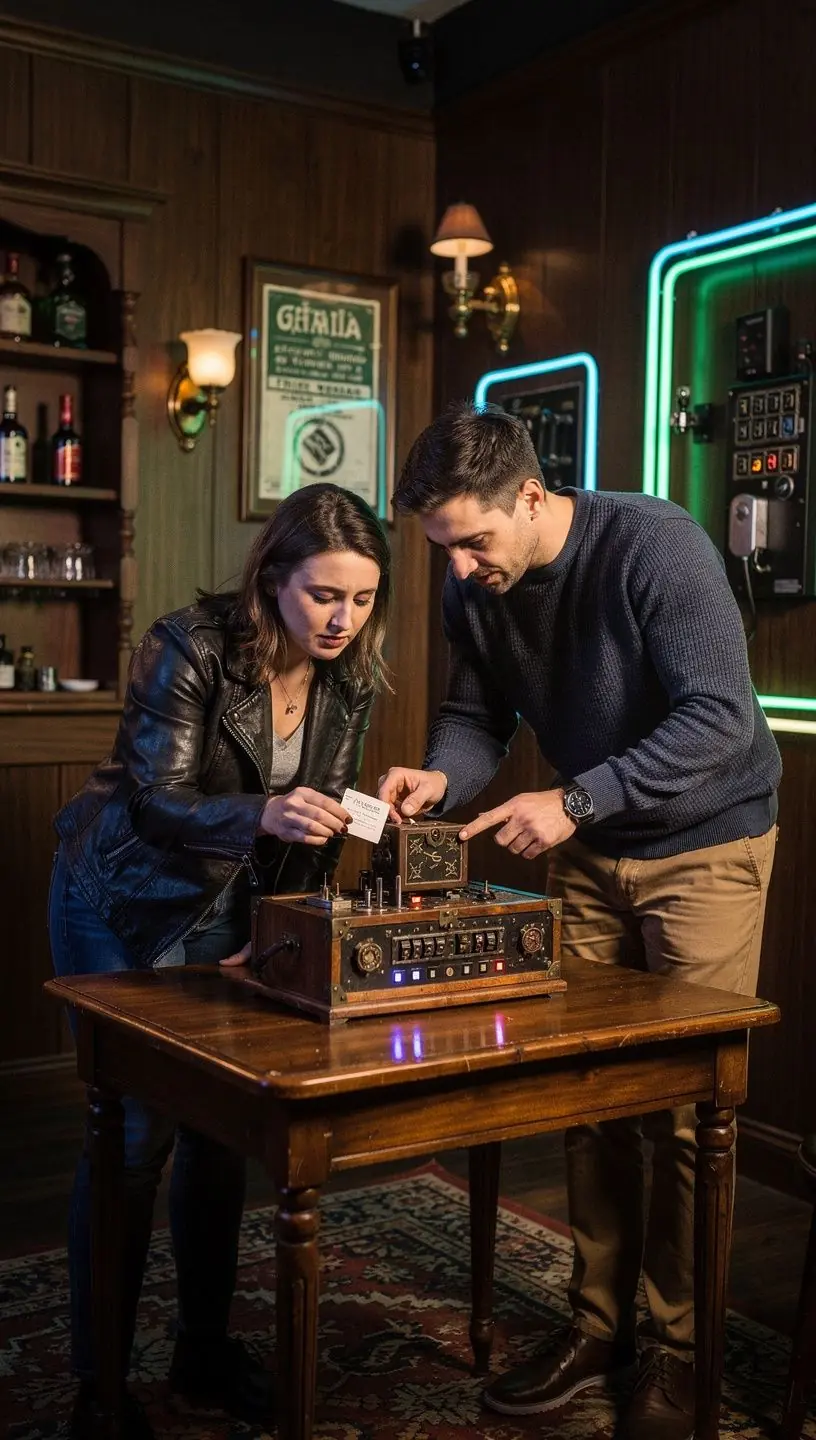
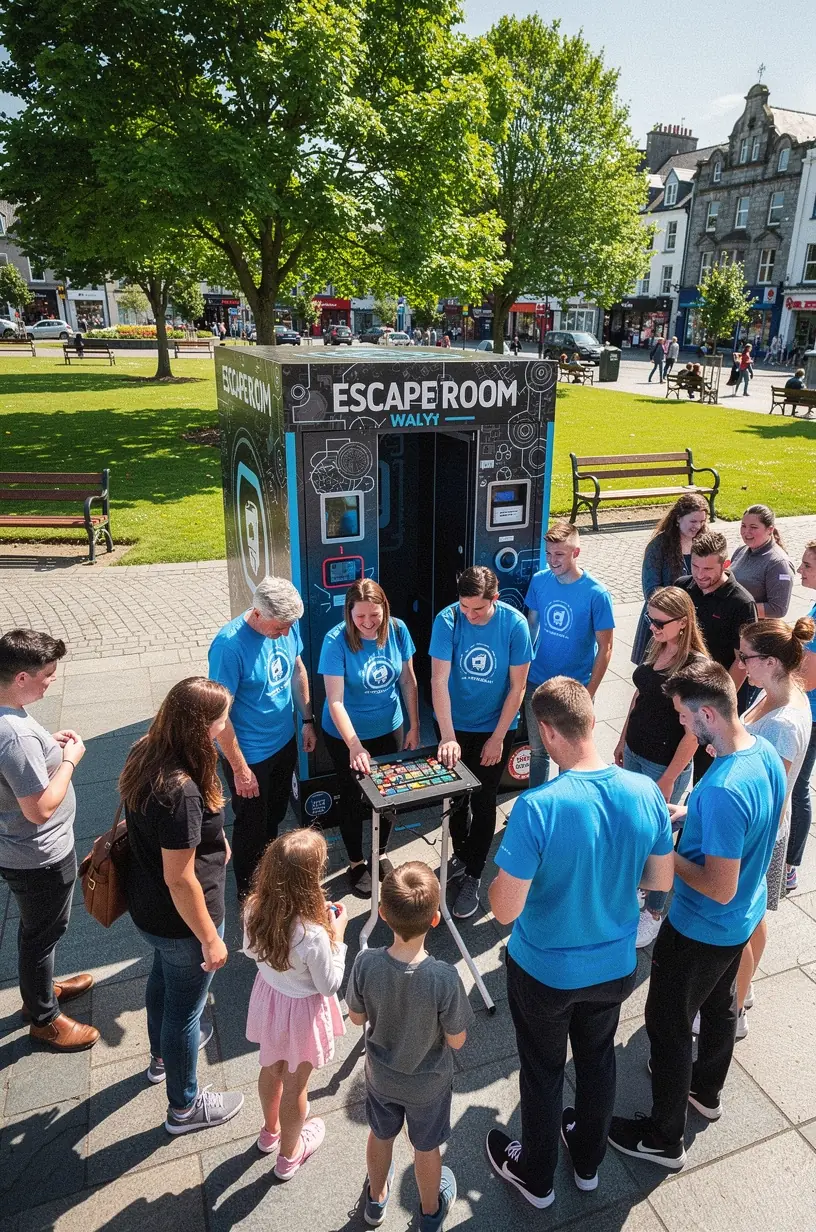
In the realm of hybrid entertainment venues, the combination of escape rooms, puzzles, and live interaction creates unique experiences that engage participants on multiple levels. This article explores the significant role that live interaction plays in enhancing puzzle-solving, supported by research and expert opinions.
Understanding the Basics of Live Interaction
Live interaction typically involves engaging with facilitators or actors who guide participants through the puzzle-solving experience. According to studies in the field of experiential learning, this kind of engagement can enhance cognitive retention and problem-solving skills. When participants interact with others, they are often more motivated, which can lead to improved focus and teamwork.

"Research shows that collaborative environments can boost problem-solving effectiveness by up to 30%." - Industry Expert
The Cognitive Benefits of Interaction
Engaging with a live facilitator or other participants introduces a social element that can significantly affect how puzzles are approached. Many users report feeling more at ease when they can communicate and share ideas, which fosters a collaborative spirit. This is important because:
- Enhanced Communication: Participants tend to clarify their thoughts and strategies more effectively when they can interact verbally, which often leads to better solutions.
- Increased Motivation: The presence of a live guide can create a sense of accountability, motivating participants to stay engaged and committed to solving the puzzle.
- Real-time Feedback: Facilitators can offer immediate advice or hints, helping participants adjust their strategies more fluidly and effectively, which is particularly useful in complex scenarios.
How Live Interaction Complements Puzzle Design
The principles underlying effective puzzle design often include challenges that require critical thinking and teamwork. Live interaction enhances these principles by:
- Creating Dynamics: The emotional responses elicited through interaction can make puzzles more memorable, as participants often share experiences that strengthen their emotional connection to the task.
- Encouraging Diverse Perspectives: Different viewpoints introduced by live interaction can lead to more innovative solutions, as participants consider alternatives they might not have thought of independently.
- Facilitating Learning: According to educational research, live interaction can aid in the retention of knowledge as participants actively engage, learn, and adapt their strategies in real-time.
Challenges and Considerations
While the incorporation of live interaction significantly enhances the puzzle-solving experience, it does come with its own set of challenges. For instance:
- Time Commitment: Participating in live interactions typically requires a longer time commitment, which may not be suitable for all users.
- Learning Curve: Individuals may need time to adapt to the dynamics of live engagement, which can affect initial performance in puzzle-solving.
- Variable Engagement: The effectiveness of live interaction can vary based on individual preferences and group dynamics, meaning that it may not work for everyone.
Conclusion
In conclusion, live interaction plays a crucial role in enhancing puzzle-solving experiences within hybrid entertainment venues. By fostering communication, increasing motivation, and providing immediate feedback, live interaction can significantly improve the overall effectiveness of puzzle-solving activities. While there may be challenges associated with implementing this approach, the benefits often outweigh the drawbacks for many participants. As the industry continues to evolve, integrating live interaction will likely remain a vital component in creating engaging and memorable experiences.
Learn More