
Best Practices for Designing Engaging Puzzle Challenges
Creating engaging puzzle challenges within hybrid entertainment venues, such as escape rooms, requires a thoughtful approach. Understanding the principles of puzzle design can greatly enhance the player experience, making each challenge both stimulating and enjoyable.
Understanding the Basics of Puzzle Design
According to industry experts, effective puzzle design is rooted in a clear understanding of your audience and the context in which they will engage with the challenges. Research shows that puzzles should typically align with the skill level and interests of participants to maintain engagement. For example, beginners may prefer simpler tasks, while experienced players often seek more complex challenges.
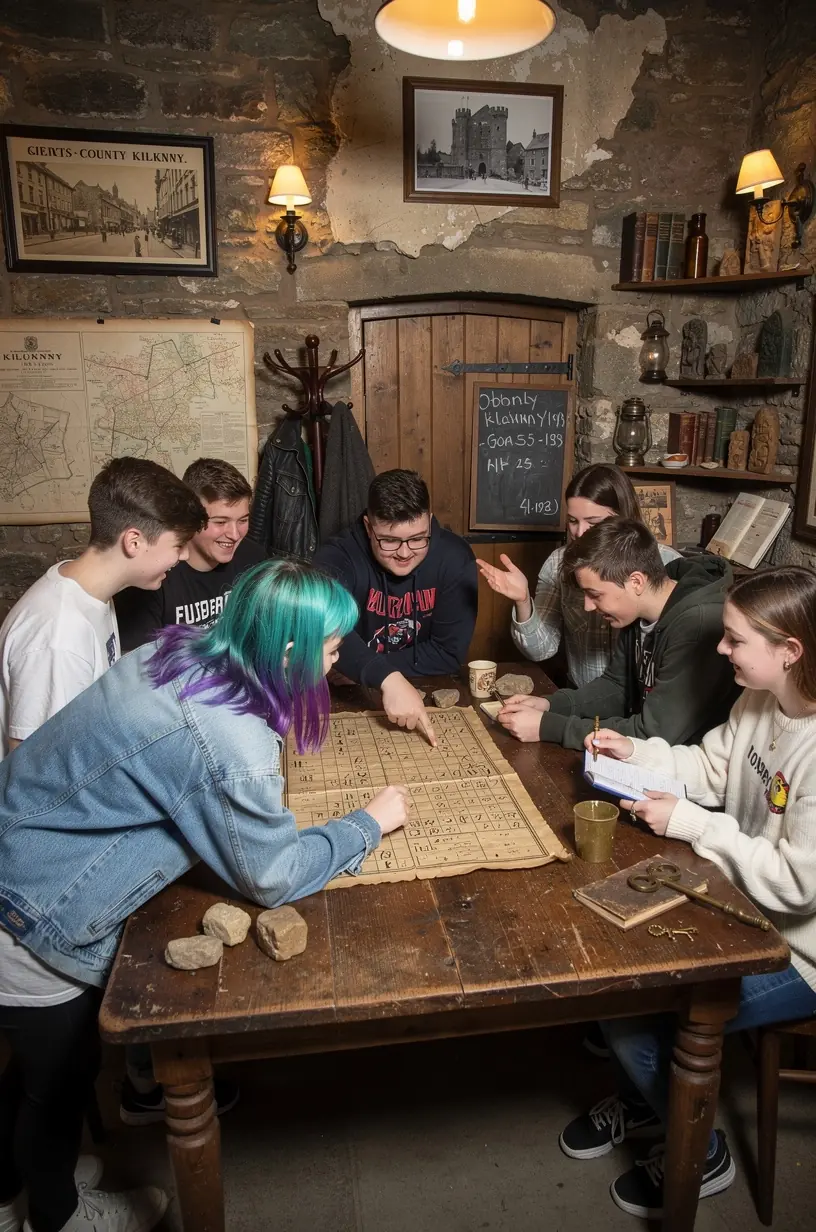
"The key to a successful puzzle design is to strike a balance between challenge and solvability, ensuring players feel a sense of accomplishment." - Puzzle Design Expert
Elements of Engaging Puzzles
When designing puzzles, there are several elements that can heighten engagement:
- Theme Integration: Puzzles should seamlessly integrate with the overarching theme of the escape room. This alignment creates a cohesive narrative that enhances the overall experience.
- Variety of Challenges: Incorporating different types of puzzles—such as logic problems, physical tasks, and teamwork-oriented challenges—can cater to diverse player strengths and preferences.
- Feedback Mechanisms: Providing immediate feedback, whether through audio cues or visual indicators, can help players understand their progress and maintain motivation.
Testing and Iteration
Before launching a new puzzle, it's crucial to conduct playtesting. Research indicates that playtesting with various groups can uncover unforeseen challenges and areas for improvement. Observing players interact with your puzzles allows you to gather valuable insights on difficulty levels and engagement factors.
Experts recommend that testing should involve:
- Gathering a diverse group of testers to provide varied perspectives.
- Recording gameplay to analyze how players approach the puzzles and identify potential bottlenecks.
- Iterating on feedback by adjusting puzzle difficulty or enhancing clarity in instructions.
Setting Clear Expectations
When designing puzzles, it’s important to set clear expectations for players. Communicating the objectives and necessary skills through tutorials or introductory content can significantly enhance their experience. Many users report that when they understand what is expected of them, they are more likely to engage fully and enjoy the challenge.
Additionally, experts suggest that providing optional hints can help players who may become frustrated without compromising the challenge for others. This approach can make the experience more enjoyable, especially for those new to escape rooms.
Conclusion
Designing engaging puzzle challenges is an art that requires thoughtful planning and regular iteration. By understanding your audience, integrating themes, and testing extensively, you can create puzzles that enhance the overall experience in hybrid entertainment venues. Remember, effective design can lead to a more enjoyable player journey, fostering a community of engaged and satisfied participants.
Learn More